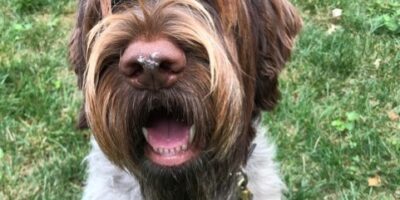
Pet insurance for hunting dogs has gotten complicated with all the exclusions and fine print flying around. As someone who’s spent years hunting with Griffons and dealt with more than a few vet emergencies, I learned everything there is to know about finding coverage that actually pays out when you need it. Today, I will share it all with you.
Why Hunting Dogs Face Different Risks
That’s what makes Griffons endearing to us bird dog people—they throw themselves into the field without a second thought. But that enthusiasm comes with real consequences. Whether you’ve got a Wirehaired Pointing Griffon, a German Wirehaired Pointer, or a Korthals Griffon, your dog faces hazards that couch-dwelling breeds never encounter.
Torn ligaments from rough terrain. Tick-borne diseases picked up during hunts. Cuts from thick brush. A single ACL surgery runs $3,000-$6,000, and hunting dogs are way more likely to need one. Hip dysplasia—common in sporting breeds—can mean multiple surgeries totaling $10,000 or more over a dog’s lifetime.
What Your Policy Actually Needs to Cover
Probably should have led with this section, honestly. Here’s what to look for when shopping:
- Accident coverage – Non-negotiable for field dogs. Running through brush, water retrieval, wildlife encounters—all of it happens
- Illness coverage – Breed-specific stuff like hip dysplasia, eye problems, and those ear infections that floppy-eared dogs seem to get constantly
- No breed restrictions – Some insurers limit coverage for hunting breeds. Walk away from those policies
- Hereditary condition coverage – Purebreds come with genetic baggage. Make sure it’s covered
- Alternative therapy coverage – Hydrotherapy and physical rehab after sporting injuries aren’t optional anymore
The Real Cost of Coverage
For a healthy adult Griffon, expect to pay somewhere between $40-$80 monthly. Where you live, what deductible you pick, and your coverage limits all factor in. Puppies run slightly higher due to accident risk. Senior dogs (8+) get expensive fast.
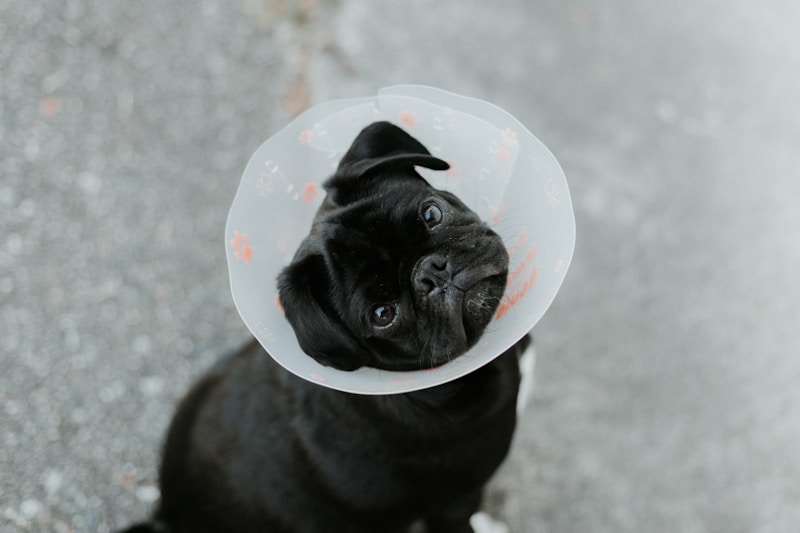
Most Griffon owners land on a $500 annual deductible with 80% reimbursement. That balances affordable premiums with coverage that actually matters when something goes wrong.
Don’t Wait Until You Need It
The best time to enroll is as a puppy, before any pre-existing conditions show up in veterinary records. Most insurers make you wait 14 days for illness coverage and 6 months for orthopedic stuff to kick in.
Already have an adult dog? Don’t keep putting it off. Every day without coverage is gambling. Just understand that anything already diagnosed won’t be covered—so get enrolled before your dog’s first hunting season if you can.
The Bottom Line
For active hunting dogs like Griffons, skipping pet insurance isn’t saving money—it’s taking a risk. One major surgery could pay for a decade of premiums. More importantly, coverage means you never have to decide whether your dog gets proper care based on what’s in your checking account.
Get quotes from several insurers. Read the fine print about breed restrictions and hereditary conditions. Pick a policy before your Griffon’s next trip to the field.