Smooth Coat vs Rough Coat Griffons Shed Differently
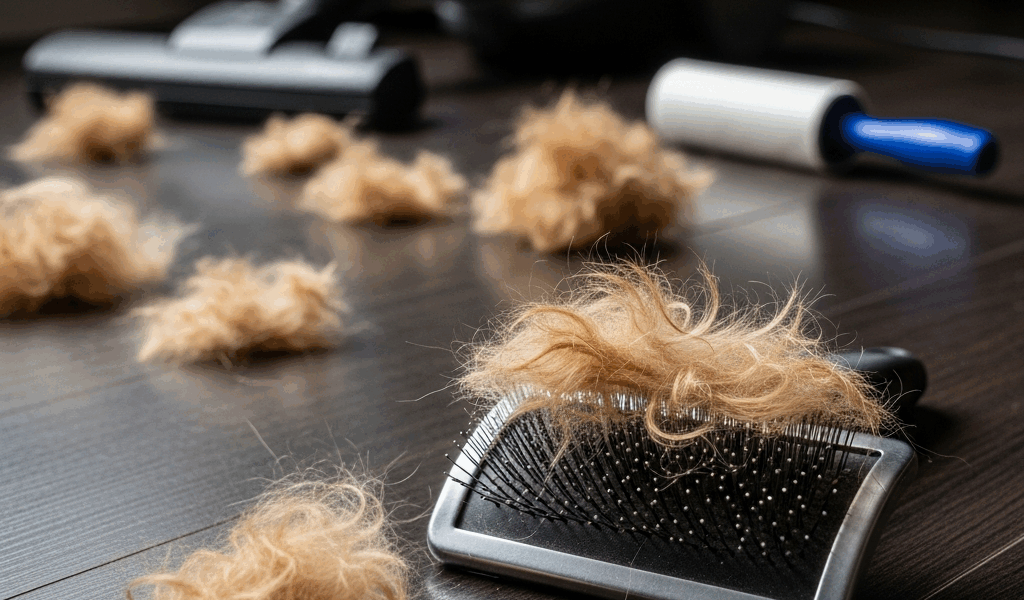
Brussels Griffon shedding has gotten complicated with all the misinformation flying around — mostly because people assume every Griffon coat behaves the same way. It doesn’t. Not even close.
As someone who stumbled into Griffon ownership completely blind to coat types, I learned everything there is to know about this subject the expensive, hair-covered way. Today, I will share it all with you.
I’d spent months researching the breed, completely smitten with those scruffy wiry faces. When my puppy finally arrived, the breeder mentioned — almost as an afterthought — that she was smooth-coated. For three full weeks I convinced myself something was wrong with her coat. Turns out I’d built the wrong mental model entirely. Don’t make my mistake.
Smooth-coat Griffons have short, glossy fur that sits flat against the skin. Run your hand across one and you feel individual hairs — almost like touching a miniature boxer. These dogs shed year-round. Consistently. You’ll find evidence on your couch, your black pants, your floors. Spring and fall kick it up another notch.
Rough-coat Griffons wear a dense, wiry outer coat that stands slightly away from the body — coarse to the touch, almost like a firm wire brush. These dogs shed far less often, and what does come loose tends not to cling to fabric the same way smooth-coat hair does. That said, rough-coats “blow coat” seasonally, usually once or twice a year, when large clumps release during grooming sessions.
But what is a coat blow, exactly? In essence, it’s a concentrated seasonal shed where dead hair releases in bulk rather than gradually. But it’s much more than that — it’s the moment most rough-coat owners realize their dog actually does shed, just on a different schedule than they expected.
The confusion usually starts with breeder websites. Rough-coat photos dominate listings because, honestly, that scruffy face photographs better. Prospective owners see the adorable mug and assume that’s what they’re buying. Smooth-coats are every bit as charming — but if low shedding was your primary motivation, a smooth-coat will disappoint you.
Before you commit, ask your breeder directly: “Will this specific puppy have a smooth or rough coat?” Get it in writing. Photograph both parents. A rough-coat parent improves your odds but guarantees nothing.
Why Your Griffon Is Shedding More Than Usual
Normal shedding is just life. Excessive shedding is your dog telling you something.
Seasonal coat blow hits first on the list of culprits. Both coat types experience it — rough-coats just make it more dramatic and obvious. Spring and early fall trigger the heaviest cycles, usually lasting two to four weeks. Brushing five days a week during those windows will genuinely save your sanity. And your furniture.
Stress triggers shedding too — faster than most owners expect. New home, doggy daycare introduction, a particularly bad thunderstorm. Griffons are emotionally sensitive dogs. Separation anxiety alone can cause noticeable hair loss. The fix here is routine and patience. That’s it. Not medication.
Nutritional deficiency is probably the most common controllable cause of excessive shedding. Griffons eating low-quality kibble often run low on omega-3 fatty acids. Skin goes dry, coat goes dull, hair falls out more readily. I’m apparently very sensitive to this issue now — I track my dog’s food ingredients obsessively and premium kibble works for my dog while budget brands never did. This one you can actually fix.
Thyroid dysfunction, skin conditions, allergies, parasites — these cause dramatic shedding increases and come with other warning signs. Bald patches. Redness. Visible flaking. Active scratching. These warrant a vet visit, not a wait-and-see approach.
Grooming Steps That Actually Reduce Loose Hair
The right grooming routine cuts shedding visibly. I’m not exaggerating — this changes everything.
Probably should have opened with this section, honestly. Grooming is where most owners see the fastest results, and skipping it is where most owners go wrong.
For smooth-coat Griffons, a rubber curry brush used twice weekly during calm periods does the heavy lifting. Bump that to four or five times weekly during seasonal blow. The short rubber nubs on a curry brush — something like the Kong ZoomGroom or a basic $8 version from Chewy — grab loose undercoat without irritating the skin. Work in circular motions. You’ll be shocked by the output. Finish with a slightly damp microfiber cloth or an old t-shirt to catch whatever’s still clinging before it reaches your furniture.
Rough-coat Griffons need a different approach entirely. Two realistic options exist: hand-stripping or clipper grooming. Hand-stripping is the traditional method — a groomer literally pulls dead hair out by hand following the coat’s natural grain. It preserves that signature wiry texture and rich color, and the dog sheds noticeably less afterward because only truly dead hair gets removed. Expect to pay $75–$150 depending on your region, with appointments every six to eight weeks.
Clipper grooming runs $40–$80 and gets done faster. The tradeoff is that clipping cuts rather than pulls, which softens the coat texture over repeated sessions. Every eight weeks is standard for rough-coats on the clipper schedule. Between appointments, a slicker brush twice weekly prevents matting and manages loose hair.
That’s what makes consistent grooming endearing to us Griffon owners — it’s unglamorous, repetitive work, but the payoff in reduced shedding is immediate and real. A deshedding routine isn’t optional. It’s as basic as feeding your dog.
Diet and Supplements That Help With Shedding
Omega-3 fatty acids change coat quality measurably. Fish oil is the most effective delivery method — simple, cheap, and well-researched.
So, without further ado, let’s dive in on dosing. A 10-pound Griffon needs roughly 500–1000 mg of combined EPA and DHA daily. Those are the specific values that matter — not total fish oil volume. Check the back label of whatever bottle you’re buying. Most pet-specific fish oil supplements sold at PetSmart or Chewy are dosed correctly for this range. Start at 250 mg for the first week. Fish oil can cause loose stool initially if you jump straight to full dose.
Whole food alternatives work too. A quarter of a small sardine — canned in water, not oil — given three times weekly delivers meaningful omega-3s without touching the supplement aisle. Sardines are cheap. A tin runs about $1.50 at any grocery store. Griffons go absolutely feral for them. That said, results take six to eight weeks to become visible. Your dog’s coat won’t transform overnight.
Kibble quality matters nearly as much as supplementation. Griffons eating premium food — roughly $30–$50 per bag for a breed this small — shed measurably less than those on budget brands. Chicken, fish, or beef should appear first on the ingredient list. Not “meat meal.” Not “poultry by-product.” Actual named protein.
Biotin and vitamin E get mentioned frequently in Griffon forums. They support coat health, sure — but they’re secondary. If your dog eats quality food and takes fish oil consistently, biotin is optional at best.
When to Call the Vet About Griffon Shedding
Normal shedding is a nuisance. Abnormal shedding is a medical question. Those two things are not the same situation.
Red flags that warrant an appointment:
- Bald patches or areas of visibly thin hair
- Skin redness, flaking, or visible irritation
- Sudden dramatic increase in shedding that’s not seasonal
- Excessive scratching or licking at the skin
- Dull, brittle coat that doesn’t improve with diet changes after 8–10 weeks
Hypothyroidism runs more common in Griffons than most owners realize — and it causes significant shedding. Environmental and food-based allergies trigger it too. Mites cause hair loss. A vet can run a thyroid panel or skin scrape in a single appointment. None of these conditions resolve on their own.
A vet visit costs $50–$150 and takes maybe 10 minutes of actual exam time. Untreated skin conditions worsen. They get expensive. Book the appointment when you see the warning signs.
Brussels Griffon shedding is genuinely manageable once you understand your coat type and commit to a grooming schedule. Most owners frustrated by excessive shedding simply aren’t brushing consistently enough. Fix that, add omega-3s, and the problem shrinks dramatically. For everything else — the patches, the redness, the sudden changes — your vet has your answer.

Stay in the loop
Get the latest griffist updates delivered to your inbox.