Training Wirehaired Pointing Griffons for Waterfowl
Waterfowl training for Griffs has gotten complicated with all the competing methods, equipment options, and expectations flying around. As someone who has trained multiple Griffons to work water alongside their pointing work, I learned everything there is to know about adding ducks to your Griff’s repertoire. Today, I will share it all with you.
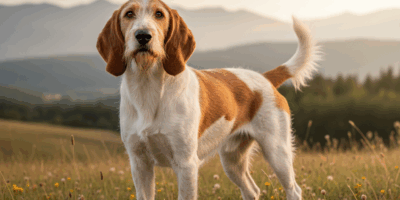
Here’s what surprises most upland hunters: Griffs are actually excellent waterfowl dogs when properly trained. That coat that protects them from thorns works just as well against cold water.
Natural Ability
Probably should have led with this section, honestly. Wirehaired Pointing Griffons were bred as versatile hunting dogs, meaning water work is in their DNA. Most Griffs take to water naturally—you’re not fighting instinct, you’re channeling it.
Starting Water Work
That’s what makes early exposure critical for us Griff trainers—positive first experiences shape lifelong attitudes toward water. Start in warm weather with shallow water. Let the dog explore at their own pace. Never throw a puppy in and hope for the best.
Building Confidence
Gradual progression works better than pushing. Shallow water play leads to wading, then swimming. Retrieving bumpers in water combines the fun of fetch with water exposure. Confidence grows from success, not from surviving scary experiences.
Cold Water Training
That wiry coat provides insulation, but cold tolerance needs building. Work in progressively cooler water as conditioning improves. Know your dog’s limits—shivering means you’re done for the day.
Blind Work and Marking
Water retrieves require marking where birds fall across variable terrain. Start with simple marks in calm water. Add distance and complexity gradually. Blind retrieves require solid handle response—don’t skip obedience foundations.
Decoy Comfort
Dogs need to work around decoys without disturbing spreads. Introduce decoys on land first, then in water. Most Griffs figure out to ignore them quickly, but some need explicit training.
Equipment Considerations
Neoprene vests extend cold water working time. Appropriate bumpers for water work. Consider a dog ladder for boat work. The right equipment makes training safer and more effective.